


What is Reformer Pilates?
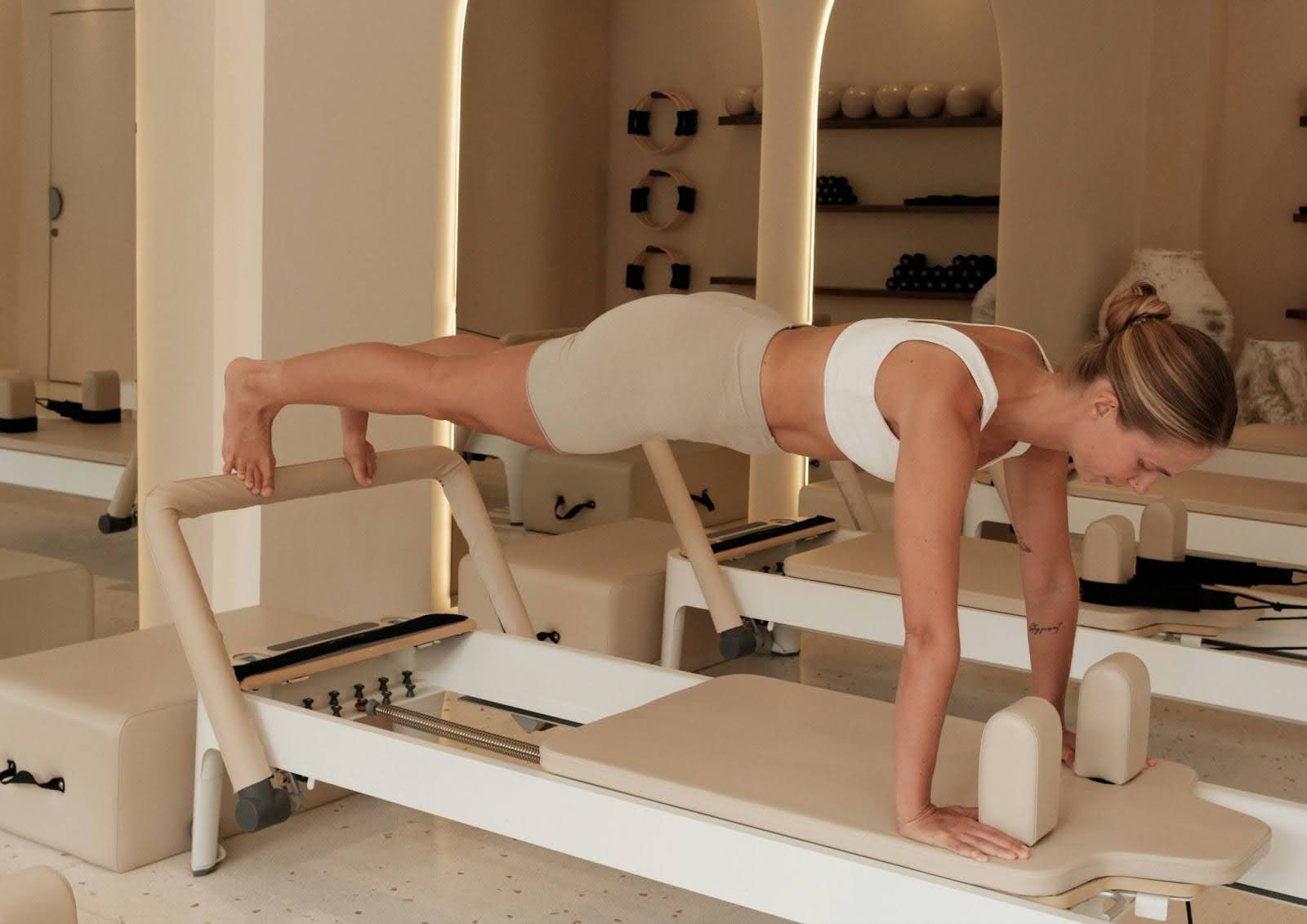
You've seen it all over social media, and you've probably noticed a studio or two popping up in your neighbourhood. But reformer Pilates is not just a TikTok trend - our data found that it's the most popular type of Pilates workout across the UK.
If you want to get fit and strengthen your body, reformer Pilates could be the workout for you. But what exactly is reformer Pilates, and what benefits can it have? Here, we'll answer all the frequently asked questions about reformer Pilates, including:
- What are the benefits of reformer Pilates?
- How can I get started with reformer Pilates?
- How much is a Pilates reformer machine?
- What to wear for reformer Pilates
- How often should you do reformer Pilates?
- Can you do reformer pilates while pregnant?
- Setting up your own Pilates studio
What is reformer Pilates?
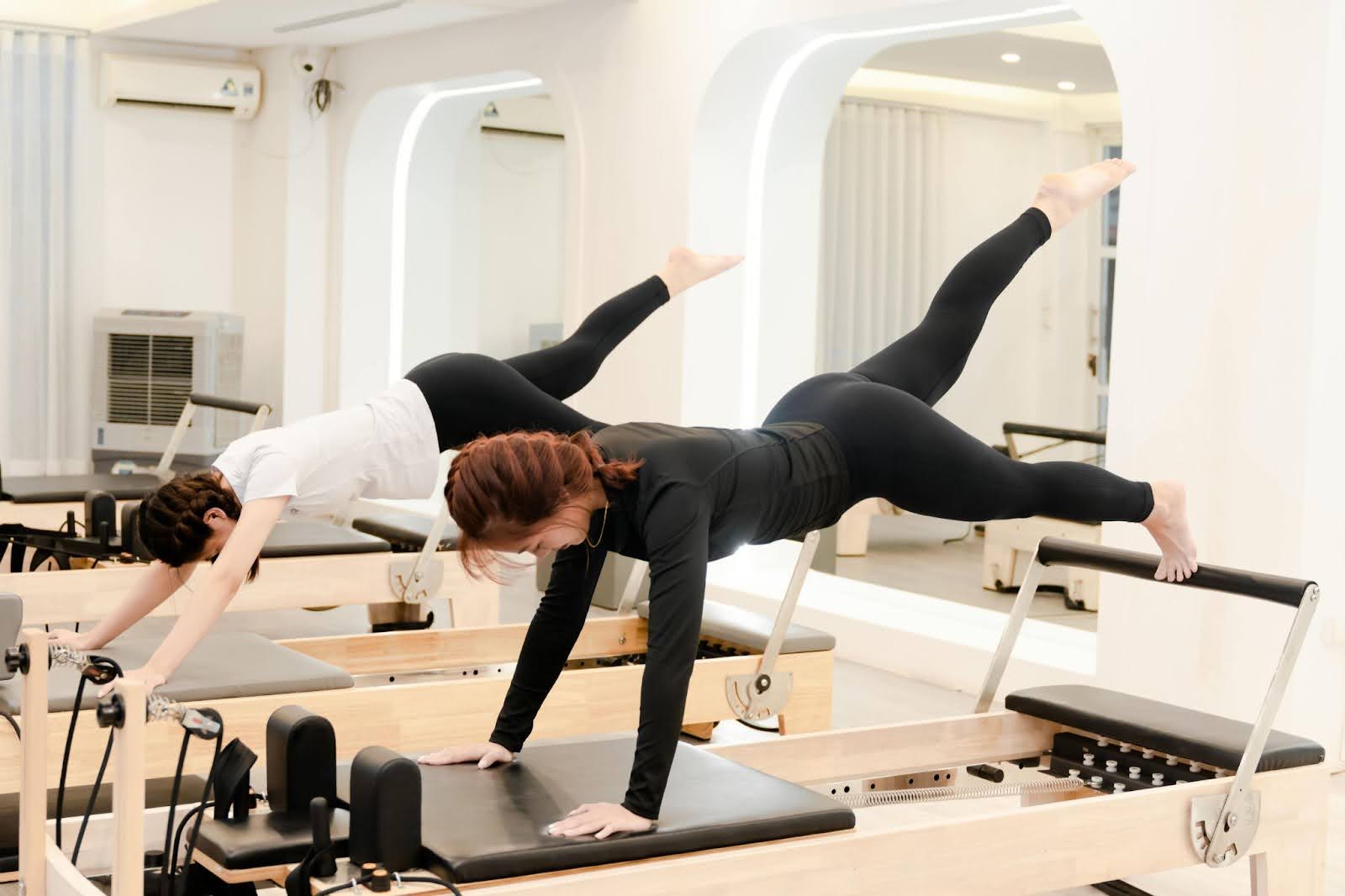
Reformer Pilates is a type of Pilates performed on a specialised piece of equipment called a reformer. This machine looks a bit like a bed with a few extra features:
Sliding carriage: Moves back and forth to allow smooth, controlled exercises.
Adjustable springs: Provide resistance, which can be increased or decreased depending on your strength and ability.
Ropes and straps: Help guide movements and add support for different exercises.
Pulleys: Allow for a wide variety of movements, including pushing and pulling exercises.
During a workout, you can lie, sit, kneel, or stand on the carriage. This allows for a wider range of exercises compared to traditional mat Pilates. The moving platform adds an extra challenge to your balance and coordination, engaging your core and helping to build strength, control, and stability. Reformer Pilates can also be incorporated into hot Pilates classes for a more intense, sweat-inducing workout.
The reformer was originally invented by the founder of Pilates himself, Joseph Pilates, during World War I, when he worked with injured soldiers to help them regain strength and mobility. He attached springs to hospital beds to create resistance-based exercises for patients who were unable to stand - a design that later evolved into the modern reformer we know today.
What is a Pilates Cadillac?
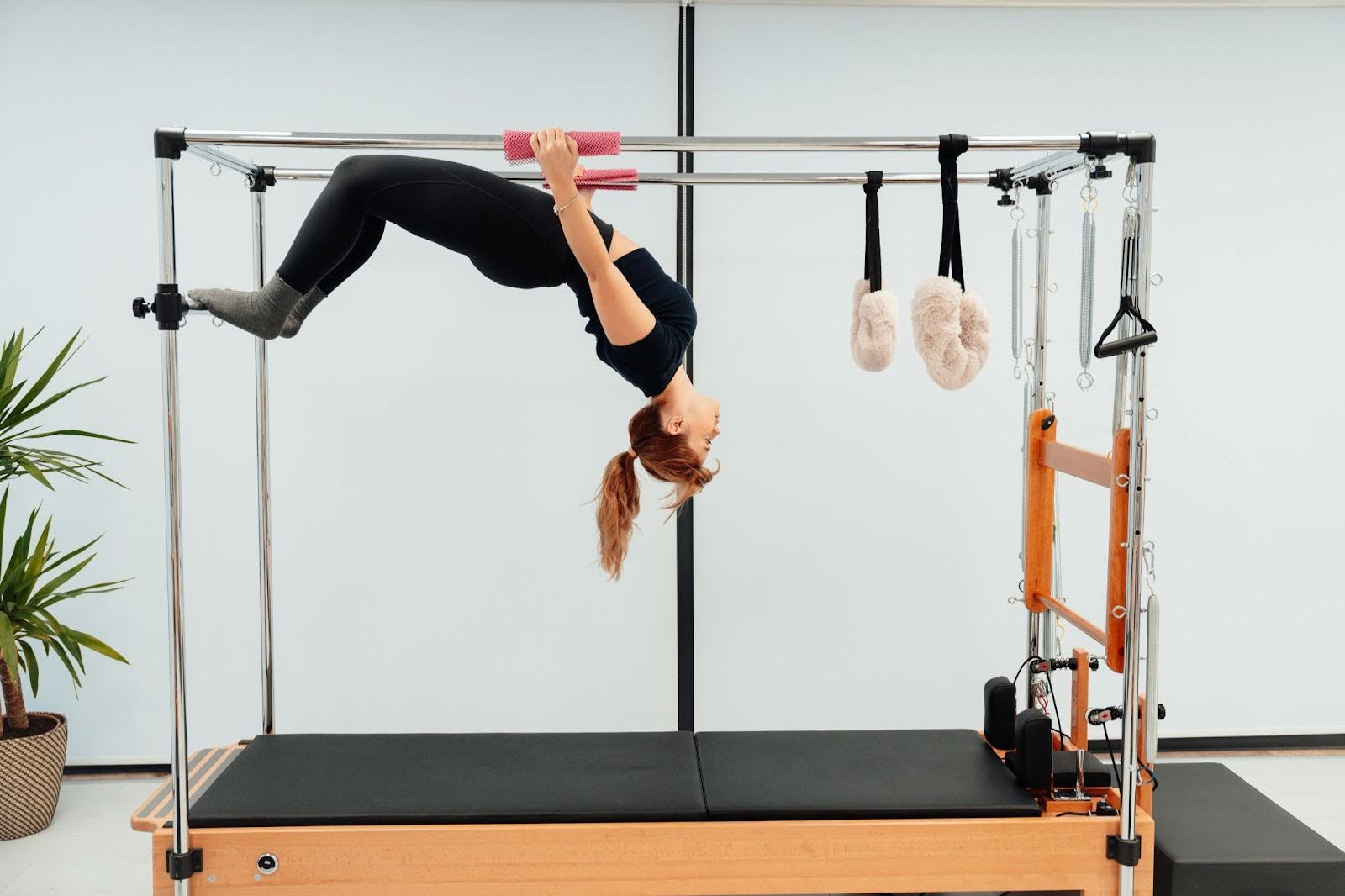
While the machine offers a wide array of workouts on its own, adding an attachment, such as a Cadillac, to a Pilates reformer allows for an even larger variety of movements.
A Pilates Cadillac is a large frame that sits over the reformer machine. Most standard models include a push-through bar, roll-down bar, and cross bar, along with arm springs, leg springs, and thigh and ankle cuffs. As well as increasing the number of standing and lying exercises you can do on a reformer, these add-ons also make it possible to incorporate hanging exercises into your workout.
Half Cadillacs are also available. Also called towers, these are mounted to one end of the reformer or directly onto the wall. They offer many of the same features as a full Cadillac, such as springs, bars, and straps, but take up less space, making them ideal for home studios or smaller Pilates setups.
What are the benefits of reformer Pilates?
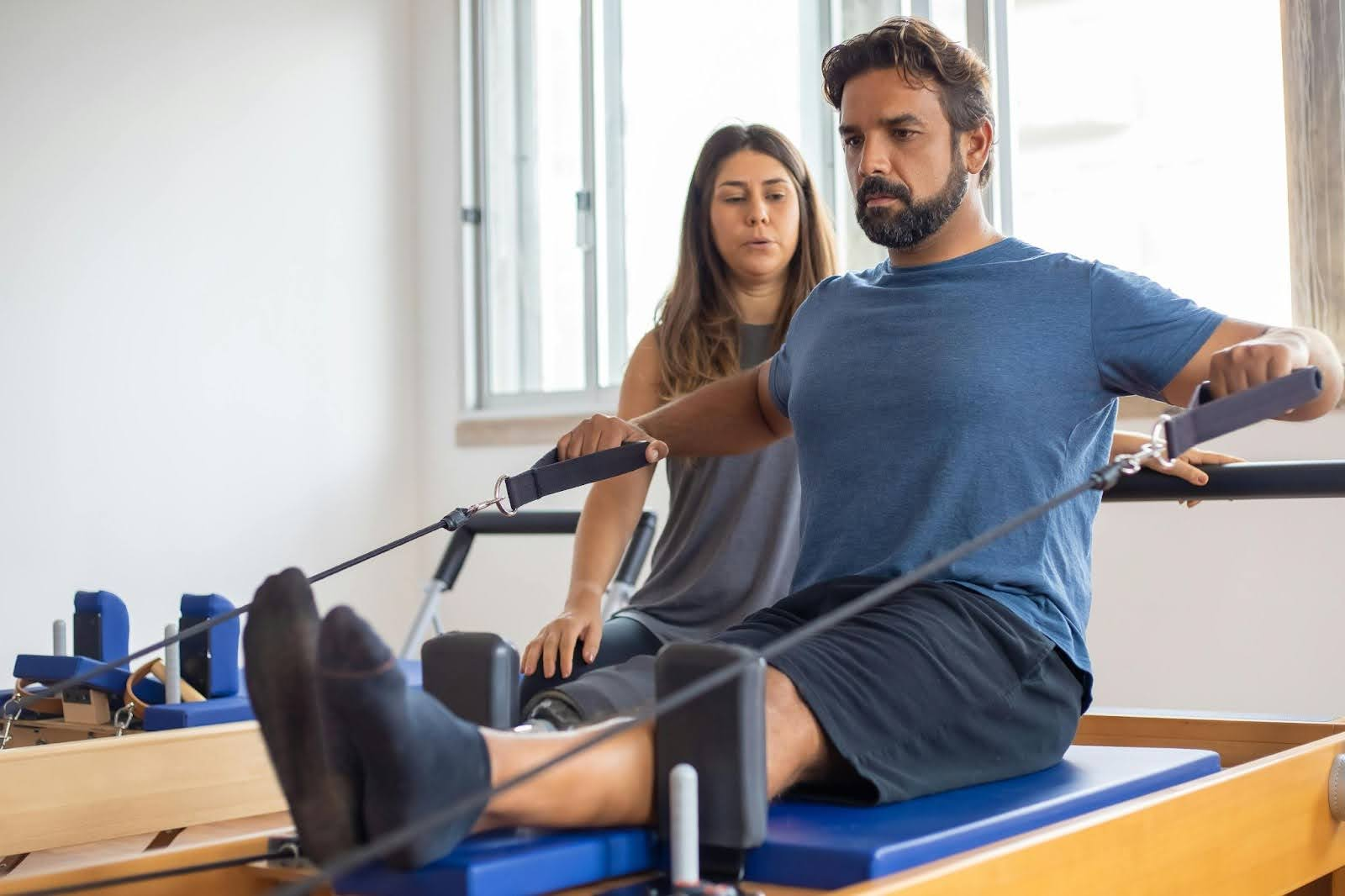
Reformer Pilates benefits the body in multiple ways, offering a full-body workout that builds strength, flexibility, and balance. The springs on the reformer provide resistance, helping to tone muscles more effectively than mat Pilates alone, particularly in the core, legs, glutes, and arms. Reformer Pilates also improves posture and body awareness by encouraging proper alignment and controlled movements, which can reduce tension and prevent imbalances.
It’s a low-impact form of exercise that is gentle on the joints and suitable for all fitness levels. The reformer’s adjustable springs let you easily adjust the resistance, making it ideal for beginners, more advanced users, or anyone recovering from injury.
Reformer Pilates is a form of strength and resistance training, but because it focuses on controlled, low-impact movements that target smaller stabilising muscles, it builds lean, long-lasting strength rather than bulk.
In addition to physical benefits, reformer Pilates can support mental well-being. Focusing on breathing, control, and precise movement can help reduce stress, improve concentration, and promote mindfulness.
Is reformer Pilates hard?
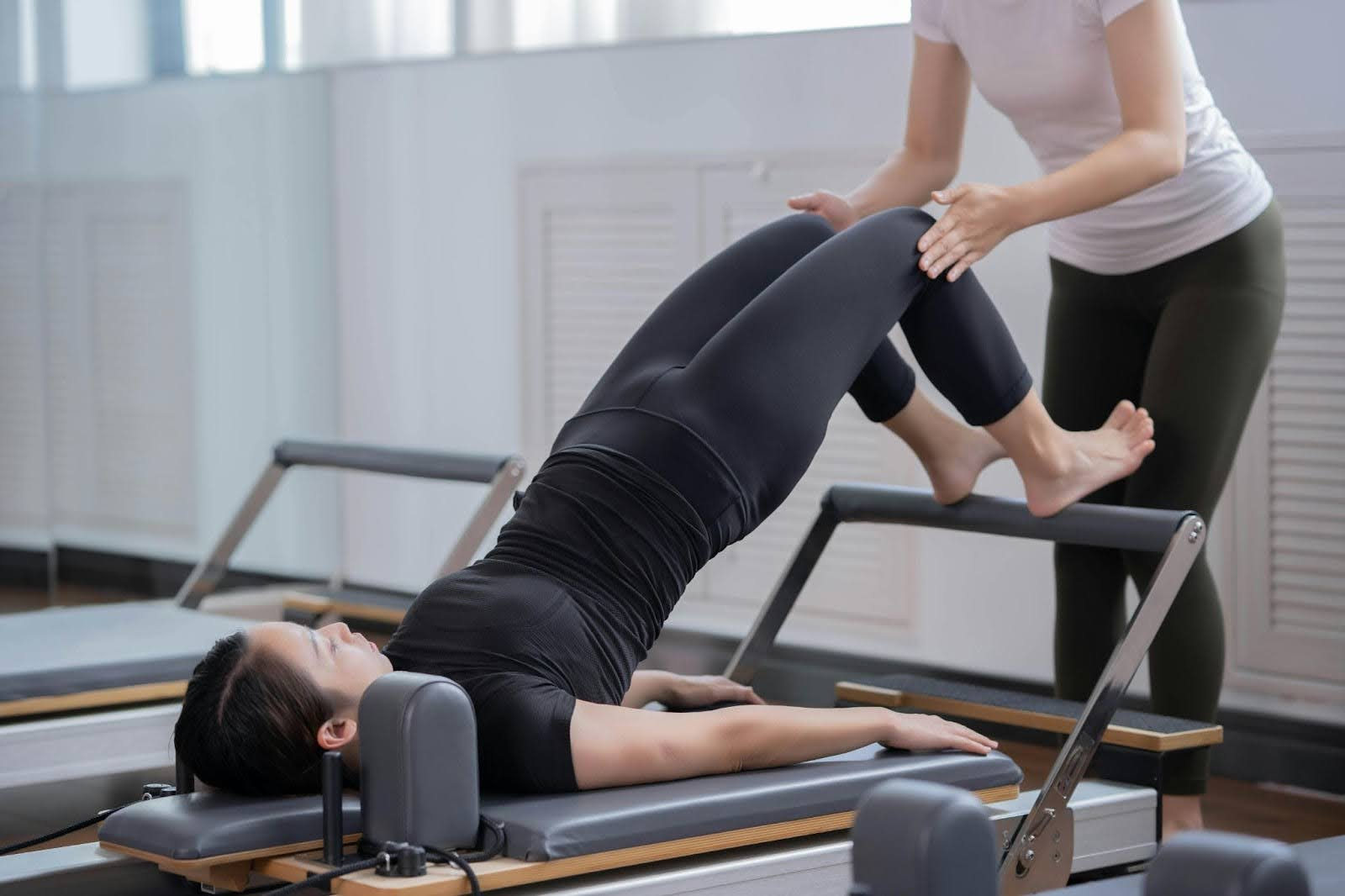
Reformer Pilates can be as hard or as easy as you make it. The adjustable springs let you adjust the resistance, so beginners can start with lighter settings to focus on control and form, while those with more experience can increase the tension for a greater challenge.
Often, it isn't the intensity that people find tricky at first, but the precision and coordination that reformer Pilates requires. It engages muscles that you might not usually use, and the movements are slow and controlled, which can feel demanding in a different way from traditional workouts.
With practice, though, it becomes more intuitive. As your strength and stability improve, you’ll find the exercises flow more smoothly.
How can I get started with reformer Pilates?
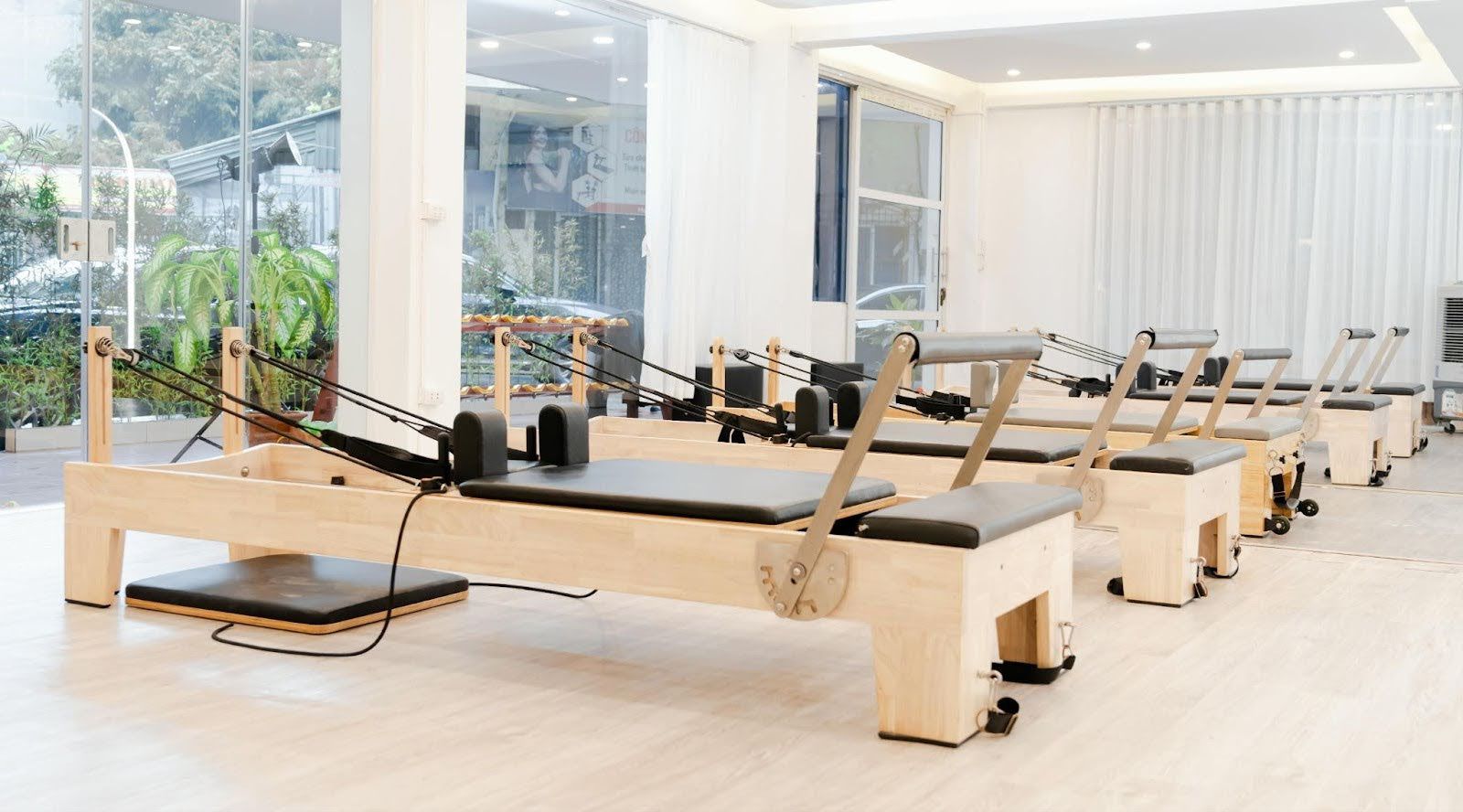
If you’re new to reformer Pilates, the best way to start is by joining a beginner class at a local studio. Working with a qualified instructor means you can learn to use the reformer safely and understand proper form. Many studios offer introductory classes, which are perfect for getting to grips with the sport. Once you've built confidence, you can move on to more advanced sessions or even at-home workouts.
If you prefer to work out at home, you can find a range of home Pilates reformers which are more compact than studio versions and designed for personal use. You can follow online tutorials and virtual classes - just make sure you follow guidance from certified instructors to ensure proper technique and avoid injury.
Once you're fully confident in your routine, you might even choose to create a Pilates studio at home. From choosing the right flooring and lighting to selecting sleek, functional Pilates equipment, we can help you design your own wellness studio that complements your fitness goals. We specialise in both Pilates studio and home gym design, and even have detailed advice for opening a Pilates reformer studio.
How much is a Pilates reformer machine?
The cost of a Pilates reformer machine can vary a lot depending on quality, materials, the brand, whether it’s for home or commercial use, and which attachments or extras are included. Investing in a higher-quality model often means better comfort, smoother motion, and a longer lifespan, but a higher price tag.
Our Pilates reformer options include the MOTU Flex bundle at £1,995, which comes with a sitting box, jump board, and foot platform. Our most expensive option is the Merrithew V2 Max Plus Reformer Bundle for £8,360: a top-of-the-range reformer which comes with extras like a half Cadillac, reformer box, and more.
Pilates classes, on the other hand, can be quite costly, especially if you're going every week (or more). Our research found that reformer classes could set you back around £960–£1,920 per year. If you invest in your own lower-budget machine, you could recoup the costs within a year.
How to choose the right reformer machine
When shopping for a Pilates reformer, it's a good idea to consider what you want from the machine. This will help you decide what kind of reformer to invest in.
1. Purpose and frequency of use
If you’re a beginner or casual user, a compact home reformer with simple spring resistance and fewer accessories will do the job. For regular use or professional training, invest in a sturdier, studio-quality reformer with smoother glide, higher resistance options, and adjustable features.
2. Size and storage
Reformers can be large, so measure your space before buying. Studio reformers are heavier and longer, offering more range of motion, but are less portable. If space is tight, look for foldable or vertical storage models, such as the MOTU Flex Folding Reformer.
3. Spring resistance and adjustability
Springs determine how challenging your workout will be. More springs mean more control over resistance levels. Adjustable ropes, footbars, and headrests make workouts more comfortable and tailored to your body.
4. Build quality and materials
Wooden reformers are stylish, durable, and give a traditional studio feel. Metal or aluminium frames are lighter, modern-looking, and often foldable, making them ideal for home use.
5. Attachments and features
Consider whether you want extras such as:
- A jump board for cardio work
- A tower or Cadillac attachment for more exercise variety
- Shoulder blocks, ropes, and cuffs for advanced movement options
These can expand your workout possibilities, but will also raise the overall price. Our MOTU Flow and MOTU Acer bundles include all the extras you'll need, like a jump board, pole, platform extender, and more.
6. Warranty and customer support
Always check the warranty length, availability of spare parts, and brand reviews before purchasing. Reliable customer support and a solid warranty can make a big difference in the long run.
What to wear for reformer Pilates
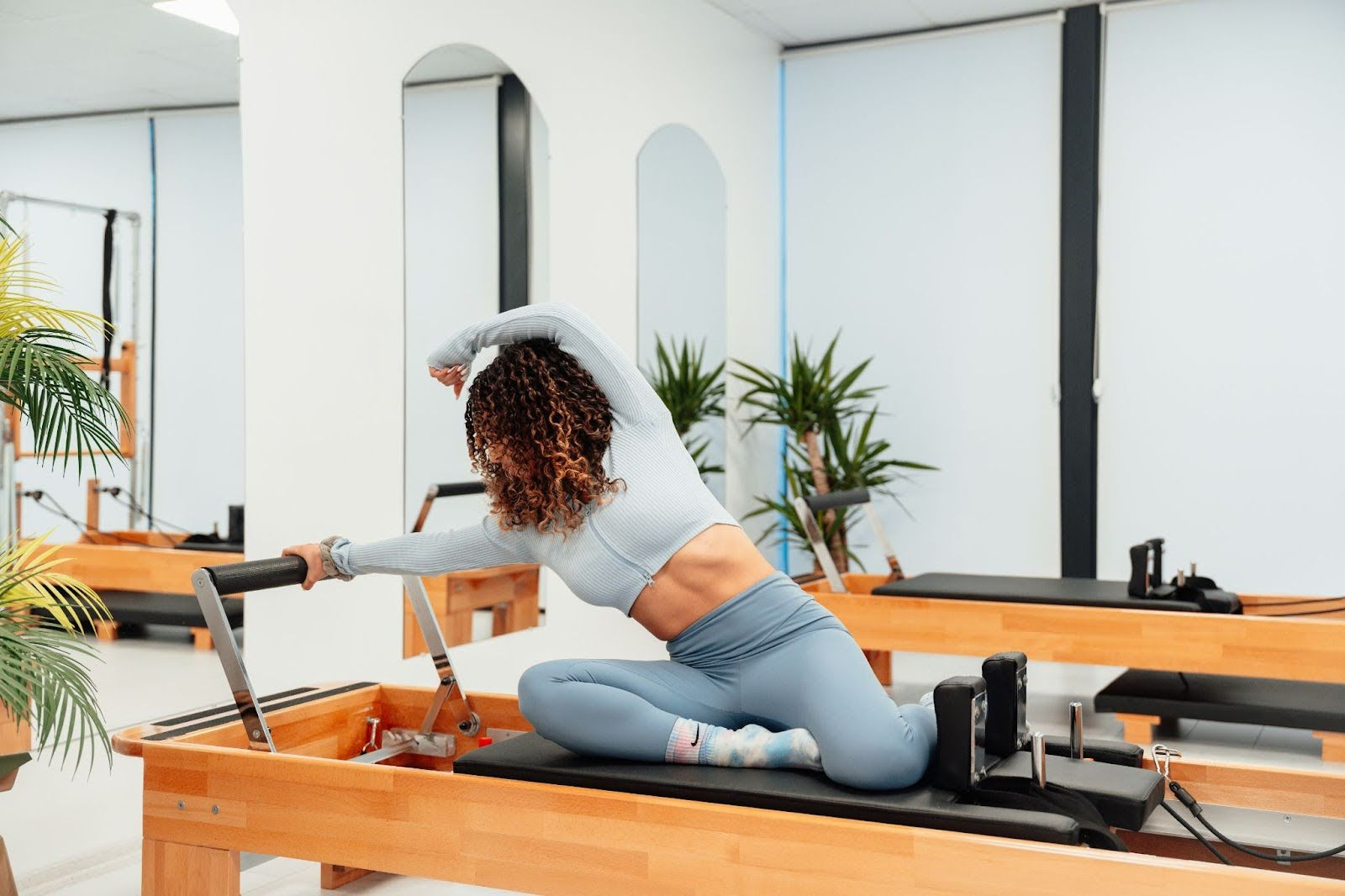
When it comes to any Pilates workout, you want to wear something comfortable that allows for lots of movement. Opt for fitted but stretchy clothing that moves with you and won't get caught in the machine. Avoid anything loose or baggy, as excess fabric can interfere with your movements. Leggings or close-fitting shorts and a breathable top are ideal.
Reformer Pilates is usually done without shoes, so it's a good idea to wear grippy socks. These will help keep you stable on the moving platform and prevent slipping, especially during standing or balance-based exercises. Try to keep accessories to a minimum, too. This includes zips or jewellery that could snag on the equipment and damage it.
If you have long hair, it's best to tie it back in a low ponytail, plait, or bun to keep it out of your face and away from the reformer's moving parts. Aim for a style that's secure but comfortable, and remember you'll be doing some workouts on your back, so you want your head to be comfortable while lying down.
How often should you do reformer Pilates?
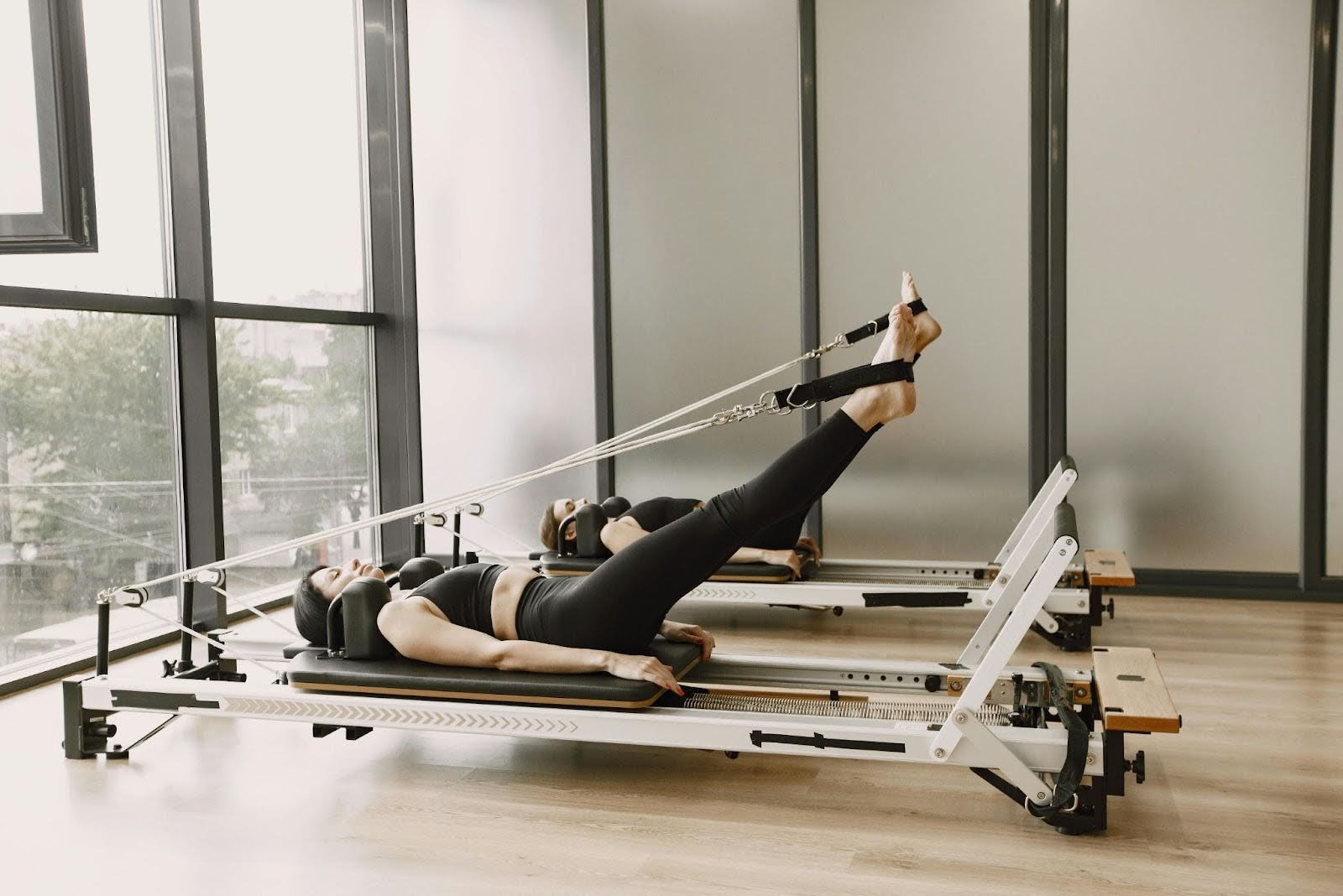
How often you do reformer Pilates really depends on your goals, fitness level, and schedule. For beginners, starting with two or three sessions per week is ideal. This gives your body time to adapt and build strength while also giving you time to recover between classes or sessions.
If you're wondering how many reformer Pilates classes it will take to see results, that can differ from person to person. Joseph Pilates once said:
"In 10 sessions you will feel the difference, in 20 you will see the difference, and in 30 you'll have a whole new body.”
Of course, everyone’s body is different, and results will depend on factors like consistency, effort, and individual fitness levels. Even after just a few sessions, many people start to notice improvements in posture, core strength, and overall body awareness, while continued practice brings more visible changes in muscle tone, flexibility, and stability. The key is to stay consistent, focus on proper form, and gradually challenge yourself to get the most out of your reformer Pilates practice.
Can you do reformer pilates while pregnant?
Reformer Pilates can generally be done during pregnancy, but be sure to get clearance from your doctor or midwife, especially if you have a high-risk pregnancy or any complications.
If it's safe for you to start or continue with Pilates, look for instructors who are trained in pre- and postnatal Pilates. They’ll know which exercises are safe, how to adjust spring resistance, and how to modify positions as your pregnancy progresses.
Avoid overexertion and listen to your body. Remember, your energy levels and balance may change throughout pregnancy.
Setting up your own Pilates studio
Reformer Pilates classes are hugely popular, with many studios having waiting lists for new clients. If you're thinking about opening your own studio, now is the perfect time. There are a few things you'll want to consider: space, equipment, and atmosphere. For full guidance, take a look at our guide to opening a Pilates studio.
Space: You'll want to choose a space that's big enough to accommodate a few reformers, as well as a reception area and walkable space. Around 1000–1500 sq. ft is ideal.
Equipment: Invest in the highest-quality equipment you can reasonably afford, or consider Pilates leasing options. Adjustability is also crucial to accommodate a wide range of clients.
Atmosphere: The design of your studio can greatly affect the client experience. A well-thought-out space helps clients feel energised and comfortable. Try to choose equipment that suits the overall vibe of your studio, whether that's wood finishes for a Scandi look, or black reformers for a more industrial-style studio.
Our expert team can help you throughout every stage of your Pilates studio design, from equipment selection to flooring and lighting. We can even create a 2D or 3D mock-up of your studio. Enquire today to start bringing your dream Pilates studio to life.
Whether you’re looking to improve your strength, flexibility, or overall well-being, Reformer Pilates offers a versatile and effective way to move your body. You can start small with studio classes or opt to design your own home Pilates studio. However you choose to practise, you'll be on the road to a stronger, more balanced, and more energised version of yourself. Ready to create your own Pilates space? Shop our reformer machines today and explore our home gym design guides for expert tips on building a calming, functional studio tailored to your fitness goals.