


The 2026 Wellness Report

Across the UK, interest is surging in mindful movement, anti-inflammatory nutrition, and intentional wellness practices, showing that people are taking a considered, long-term approach to self-care. Here, we round up the top wellness trends of the year ahead.
Intentional wellness and the joy of missing out
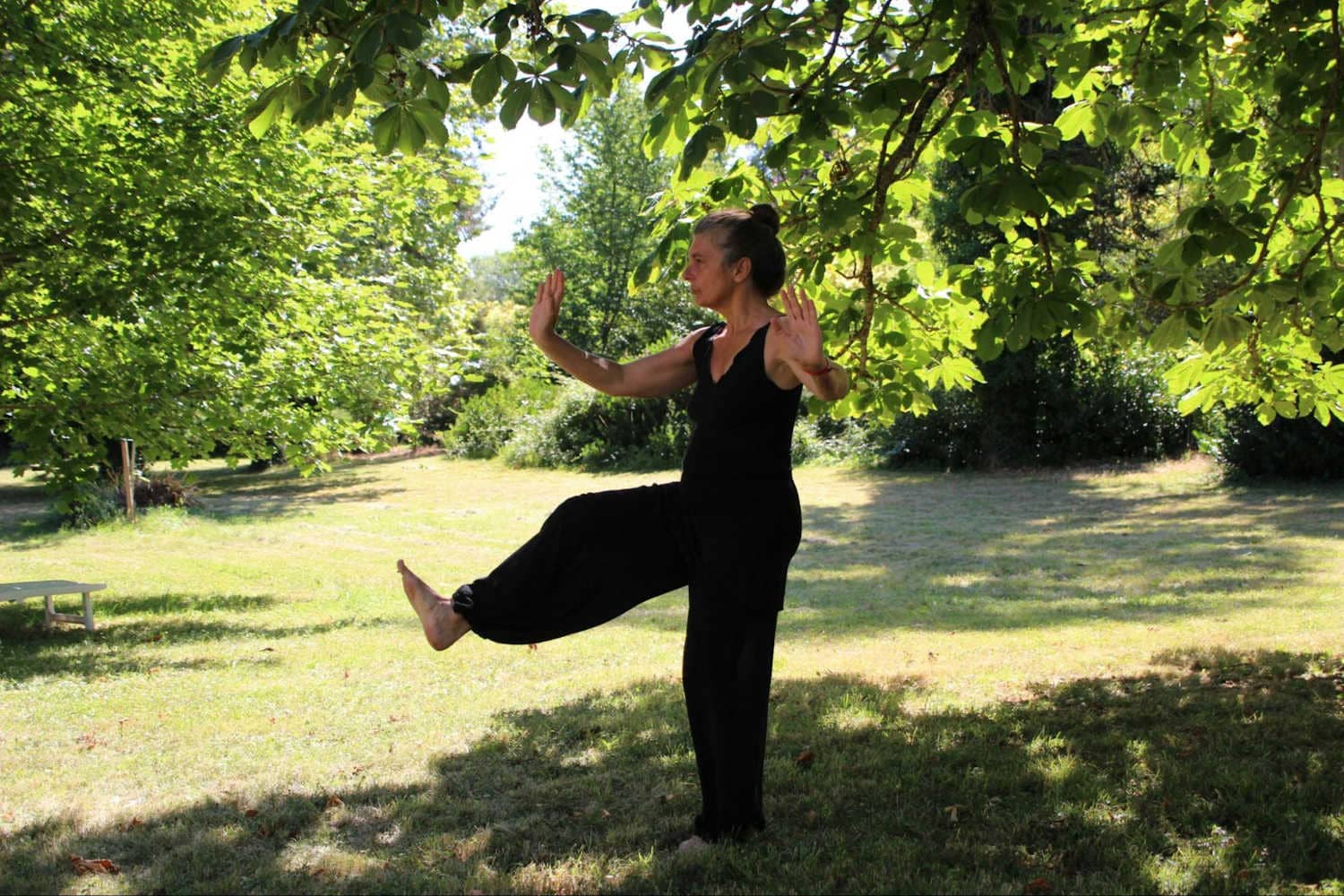
In 2026, wellness is all about intentionality. More people are recognising that rest, recovery, and mindful movement are just as important as high-intensity workouts. This cultural shift, often tied back to JOMO (the Joy of Missing Out), encourages us to slow down, prioritise self-care, and focus on quality over quantity in our fitness routines. Instead of feeling pressure to train harder, longer, or more often, JOMO encourages people to choose workouts that genuinely support how they want to feel.
The morning walk
Morning routines are becoming a cornerstone of this trend. Whether it’s a short walk before work, a gentle yoga session, or a few minutes of mindful breathing, starting the day with purposeful movement helps set a positive tone for the day ahead. Walking, in particular, is seeing renewed attention as a low-impact activity that supports both physical and mental health.
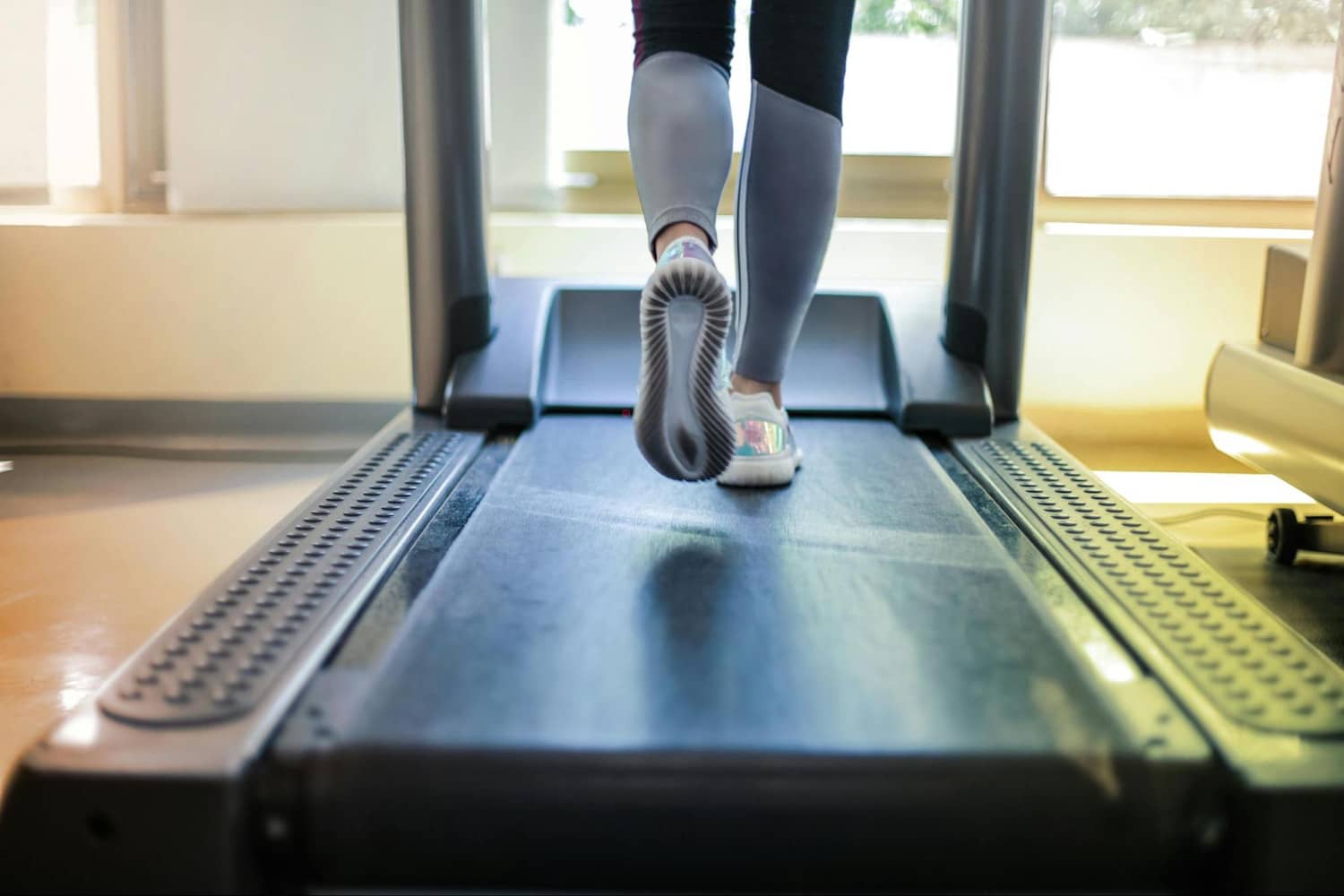
For those who can’t always step outside, walking pads are an increasingly popular solution. These compact treadmill-style devices allow people to integrate walking into their home offices or wellness spaces, making it easier to move intentionally throughout the day. Google searches for 'walking pad with handle' are up 300% on last year as people look for more convenient ways to get their daily steps in.
Wellness studios
This surge in interest for restorative spaces is helping fuel the rise of wellness studios. Google searches for 'wellness studio' have risen 90% in the last 12 months as people look for accessible ways to recover and reset.
Places offering saunas and plunge pools in particular have piqued the interest of wellness enthusiasts across the UK. Google searches for 'sauna' are up 120%, while searches for 'sauna and cold plunge near me' have surged by 160%. Studios offering saunas, steam rooms, and cold plunge pools, as well as yoga, meditation, and sound bath rooms, are becoming go-to destinations.
But where are they most popular? Using search data from Ahrefs, we've uncovered which UK towns and cities are most interested in specific wellness routines.
Yoga:
1. London
2. Manchester
3. Glasgow / Liverpool
Pilates:
1. London
2. Billericay, Essex
3. Manchester
Meditation:
1. London
2. Brighton
3. Poulton-le-Fylde / Glastonbury / Liverpool / Rugby / Cheltenham
Sauna and plunge:
1. London
2. Glasgow
3. Bristol
Sound bath:
1. London
2. Manchester / High Wycombe / Bournemouth
3. Bristol / Chelmsford / Edinburgh / York
If you want to embrace intentional wellness from the comfort of your own home, why not create your own wellness studio? We're experts in home gym design and can help you dream up a recovery space with low-impact equipment for a balanced, restorative routine.
This trend is gaining real momentum and is extending beyond just home gyms and fitness spaces. A report from Kitchens, Bedrooms & Bathrooms found that Google searches for 'sauna in home’ were up 120% from November 2024 to November 2025, as people seek to transform their homes into a hub of health and wellness.
Tai Chi
Tai Chi is another wellness routine that's really having a moment in 2026. In the UK, Google searches for 'Tai Chi exercises' have increased 130% over the past year. Similarly, searches for 'Tai Chi classes near me' have grown 80%.
Here's where they're most popular according to Ahrefs search data:
1. Edinburgh
2. Birmingham / Belfast / London
3. Oxford / Shenfield, Essex / Northampton / Chelmsford / St Albans / Belfast
Controlled movements like those used in Tai Chi not only improve flexibility, coordination, and posture but can also help reduce stress, boost focus, and promote overall mental wellbeing. Because it is gentle and low-impact, it fits seamlessly into wellness routines for people of all ages and fitness levels.
You could try incorporating Tai Chi into your morning ritual, combining it with a walk, stretching, or even a short meditation session to start the day. In fact, searches for 'Tai Chi walking' have surged by over 4,700%: a fitness regime that combines slow, purposeful Tai Chi movement with a mindful walk.
Somatic shaking
You might have heard of the somatic exercise trend that took over the fitness world in 2024 and 2025: a fitness style focused on slow, intentional movement to release tension in the mind and body.
In 2026, we're taking it one step further with somatic shaking, a form of self-soothing and stress release designed to help the nervous system reset through gentle shaking or trembling movements. The goal is to let the body move instinctively, rather than focusing on form or trying to control the movements.
Interest in this approach has exploded, with Google searches for 'somatic self soothing' up 5,000% over the past year. Rather than pushing harder in the gym (and in their everyday lives) people are embracing movement that feels restorative and grounding to counterbalance their busy, high-stimulation lifestyles.
It's often used as part of a morning or evening routine to relieve stress, and can be incorporated alongside other low-impact activities like yoga, Pilates, or breathwork. To add an extra layer of movement, somatic shaking can also be done on a vibration plate, although a simple yoga mat is perfectly fine.
The fascia focus
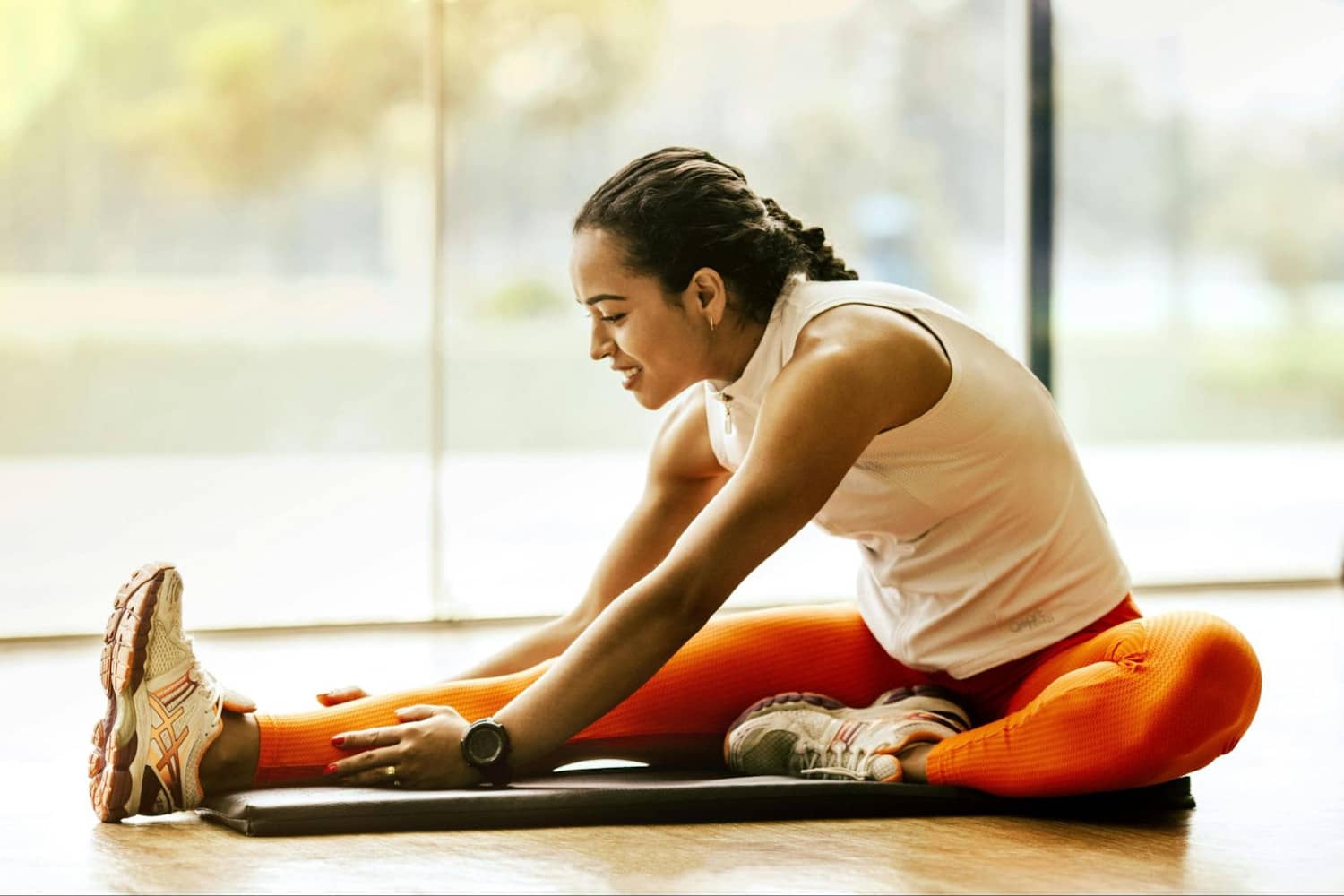
We know that movement, strength, and flexibility are essential for overall health, but in 2026, fascia is taking centre stage. Fascia is a network of connective tissue that surrounds and supports muscles, bones, and organs, helping them move smoothly and work as one.
Healthy fascia is vital for exercise, as it helps your body move efficiently, absorb impact, and recover more easily, but it's also vital for everyday movement. Everything from your posture to joint health is impacted by your fascia. When fascia is well hydrated and flexible, it helps you feel more mobile and balanced.
However, fascia can become tight and restricted over time, particularly through inactivity or repetitive movements. When this happens, it can lose its elasticity, leading to stiffness, soreness, and a reduced range of motion.
Exercises to stretch fascia
In 2026, fitness enthusiasts and wellness practitioners are looking beyond traditional strength and cardio workouts to include fascia-focused routines to keep our bodies in check. In the UK, Google searches for 'fascia training' have increased by 110% in the last 12 months, reflecting a growing awareness of how connective tissue influences movement, recovery, and long-term joint health.
Rather than relying solely on static stretching, fascia-focused training prioritises varied movement, controlled loading, and regular mobility work. Key exercises and techniques that support healthy fascia include:
Slow, controlled resistance trainingExercises such as squats, lunges, deadlifts, presses, and rows cover a range of motion and can help fascia adapt and remain elastic. Using lighter weights with slower tempos places sustained tension on the tissue to build strength without excessive strain. This also ties in well with the growing interest in resistance training — Google searches for 'what is resistance training' have increased 50% over the past year.
Dynamic stretching and mobility work
Movements like leg swings, hip openers, arm circles, and spinal rotations help hydrate the fascia and improve glide between tissue layers, reducing stiffness and improving overall movement quality.
Myofascial release
Foam rolling can help reduce tension and improve recovery. It's best when used alongside other movement and exercise routines, rather than as a standalone solution.
Mindful movement practices
Yoga, Pilates, and flow-based training combine strength, flexibility, and control, making them effective for maintaining supple, responsive fascia. Pilates, in particular, is having a real moment right now, as more people turn to low-impact, full-body training. To find out why, read our guide to the Pilates takeover.
Fibremaxxing

High-protein foods have been on the radar for a while now, but younger people are becoming increasingly conscious of their fibre intake. Data from Ocado has shown a growing demand for fibre-rich staples, with searches for 'high fibre' up 87% year-on-year on the shopping platform. This is primarily driven by younger shoppers, partially thanks to the rise in 'fibremaxxing' and social media food trends prioritising gut health.
Fibre is increasingly being positioned as a wellness superstar, showing up in everything from breakfast bowls to snack bars, reflecting a shift in 2026 towards smarter, gut-friendly food choices. In fact, Google searches for 'fibre gummies' have grown 90% in the last 12 months, while searches for 'how many grams of fibre per day' are up 60% since January 2025.
It's not just younger generations that need more fibre either. According to the British Heart Foundation, the average fibre intake for UK adults is around 20g per day — that's 10g less than recommended.
Fibre and exercise
Fibre is essential for supporting overall health, including digestion and maintaining blood sugar and cholesterol levels (Bupa). But, in the fitness world, fibre has often been overlooked in favour of its cooler cousins, protein and carbohydrates.
Upping your fibre intake could actually help your workouts when eaten at the right time. The British Heart Foundation recommends eating high-fibre carbohydrates an hour or more before exercising, as these release energy more slowly. This can help with endurance during longer workout sessions.
High-fibre foods
If you want to add more fibre to your diet, try incorporating:
Whole grains: Oats, quinoa, brown rice, whole wheat pasta
Legumes: Lentils, chickpeas, beans
Fruits: Berries, apples, pears, oranges
Vegetables: Broccoli, spinach, kale, carrots
Nuts and seeds: Chia seeds, flaxseeds, almonds
Extras: Popcorn, edamame, whole-grain breads
Anti-inflammatory movement
A Nature Medicine study links long periods of sitting and modern habits to higher inflammation in the body, which can zap energy, slow recovery, and impact overall wellness. So, it's no surprise that 2026 is all about tackling inflammation through what you eat and how you move.
Anti-inflammatory diets are becoming incredibly popular, with Google searches for 'anti-inflammatory breakfast ideas' up 140% in the past year, and 'anti-inflammatory lunch ideas' up 80%. Popular foods include leafy greens, berries, oily fish, nuts, and seeds.
Exercise plays a key role, too. Anti-inflammatory workouts focus on gentle, controlled movement that boosts circulation, strengthens muscles, and keeps joints happy. Great options include:
Walking or cycling: Easy on the joints, keeps blood flowing, and reduces stiffness. An exercise bike or treadmill are great options, and can keep you moving even when the weather has other ideas.
Yoga and Pilates: Stretch, strengthen, and release tension, improving mobility and fascia health.
Resistance training: Squats, lunges, presses, and rows done slowly keep muscles strong and fascia supple.
Low-impact cardio: Rowers, cross trainers, and swimming help circulation without overloading joints.
2026 is all about investing in your wellness routine. Instead of high-intensity workouts, we're focusing on slow, mindful movement and intentional nutrition. Whether you’re experimenting with Pilates, resistance training, or creating a dedicated wellness space at home, the year ahead is about building habits that last.
Note: All data is correct as of 06/01/2026