


The Active Ageing Report: How exercise is changing the way we age
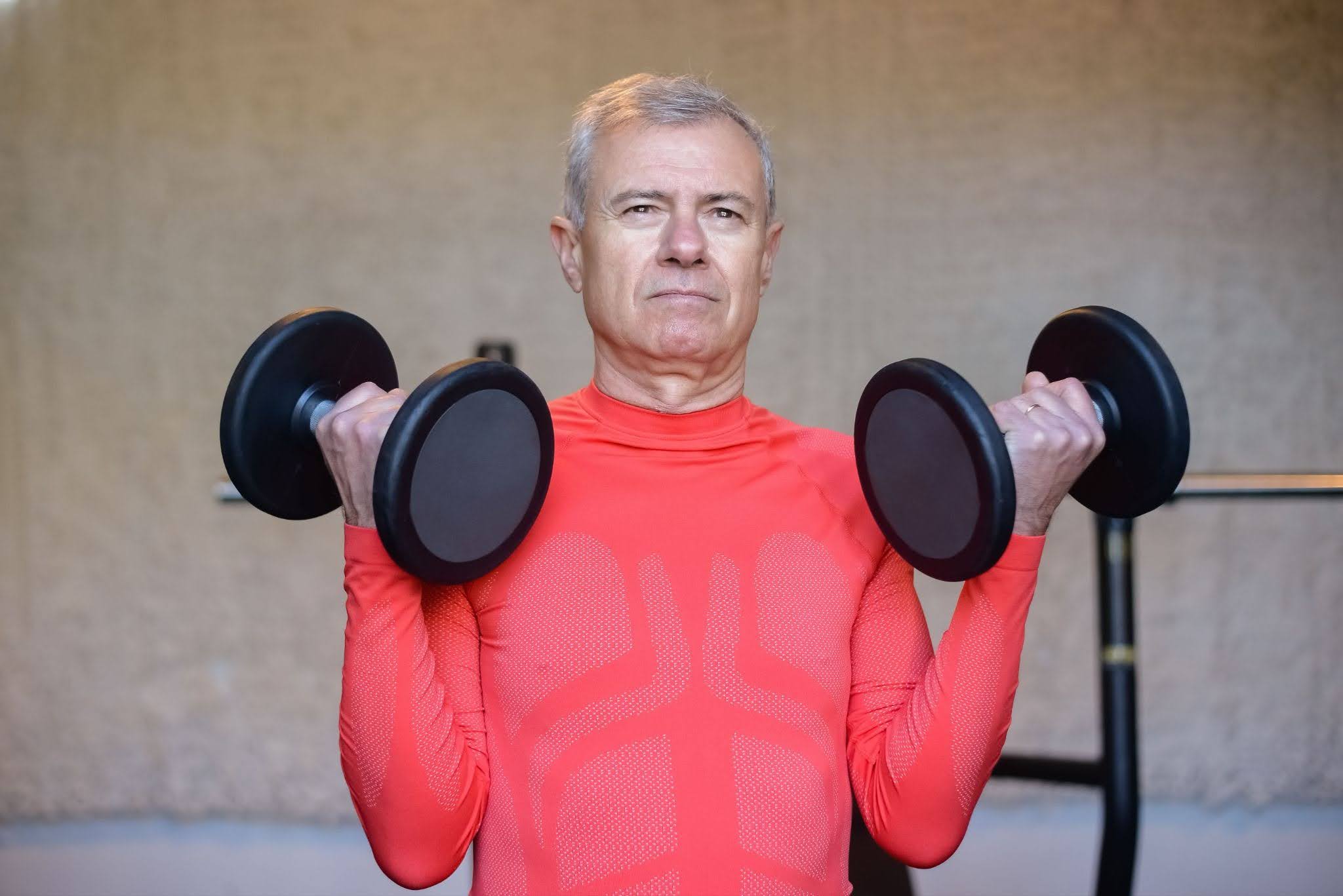
Activity levels among older adults usually drop, with the fall becoming particularly pronounced in later life. But active ageing is becoming an increasingly hot topic in the UK.
Google searches for "active aging" have increased by 250% compared with the previous five years, while searches for "balance exercises for seniors" have risen by 700%. The number of people searching for "strength training for seniors" has seen an even sharper increase, rising by more than 5,000% over the same period. This reflects a growing interest in staying strong, mobile, and active later in life.
For gyms and fitness facilities, this presents an interesting opportunity. An ageing population means there is a growing need for spaces, equipment, and support that help people stay active at different stages of life. This report from GymEquipment.co.uk looks at the data behind active ageing, the barriers that can make exercise harder in later life, and what gyms can do to create more accessible and welcoming environments.
How active are older adults?
Physical activity levels vary considerably across England, but age is one of the clearest dividing lines. In 2023/24, 67.4% of adults in England met the definition of being physically active, while 22.0% were physically inactive (GOV.UK). Activity levels were considerably lower among older age groups, falling from 72.6% among 19–24-year-olds to 56.2% among those aged 75–84 and just 32.4% among people aged 85 and over.
That doesn't mean activity suddenly stops at a particular birthday. It does, however, highlight a growing challenge: how can gym owners help people stay active as their circumstances, confidence, and physical capabilities change?
Women are less active than men
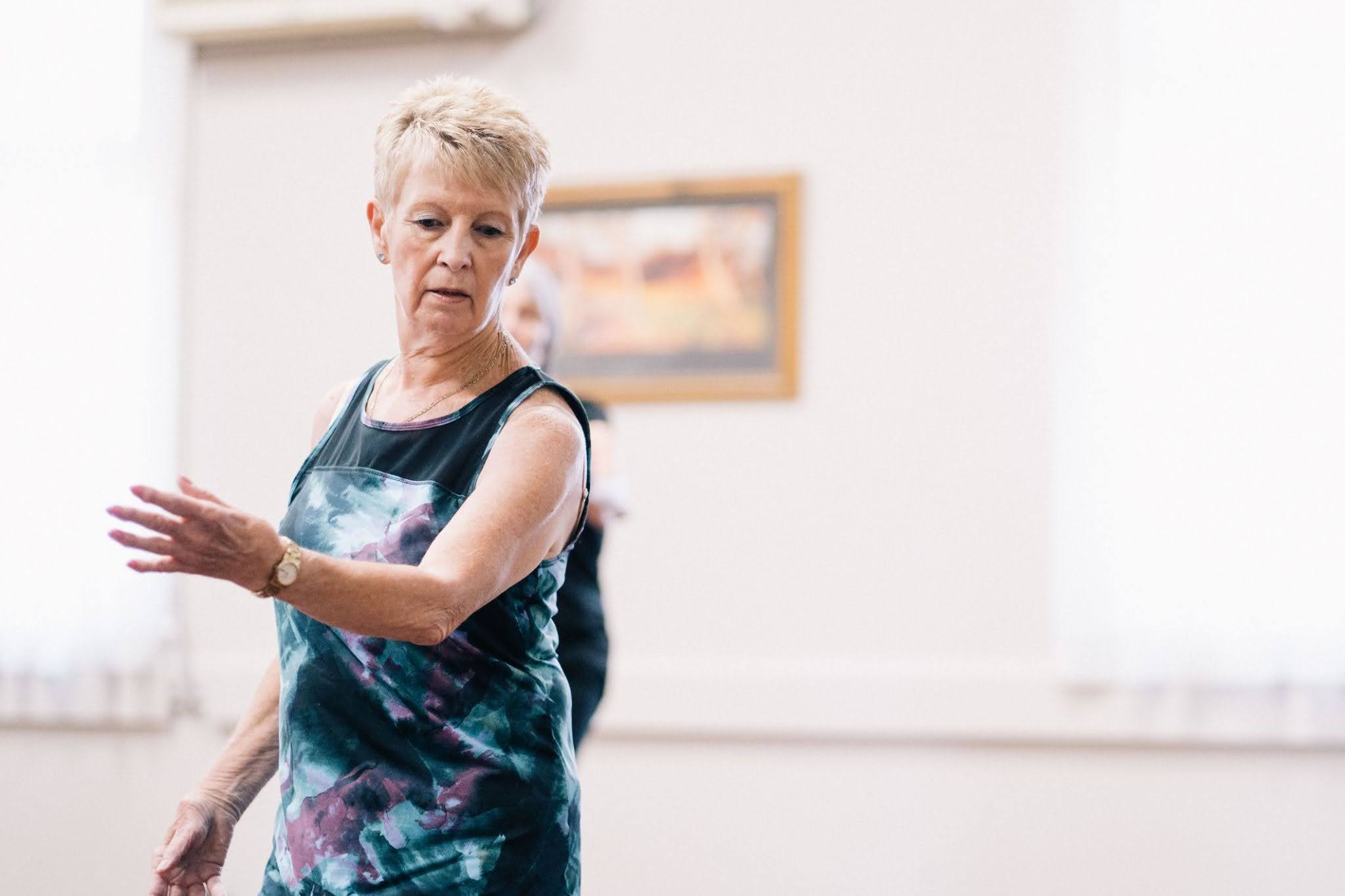
There is also a gender gap. In 2023-24, 64.9% of women in England were physically active compared to 70.1% of men. Women were also more likely to be classed as physically inactive, at 23.2% compared to 20% of men (NHS).
The drop-off becomes particularly noticeable in later life. According to the Health Survey for England, inactivity among women rises from 23% for those aged 55–64 to 43% among women aged 75 and over.
Geography matters too
The North East is also facing a sizeable activity gap. In 2024/25, 25.2% of adults in the region were classed as physically inactive, compared with 21.8% across England, according to the latest government data. In other words, around one in four adults in the North East were doing less than 30 minutes of moderate-intensity activity each week.
This makes the region an important consideration when looking at active ageing. Lower activity levels aren't evenly distributed across the country, so the opportunities and challenges facing gyms can vary by location. For facilities in the North East, creating spaces that feel accessible to people who are less familiar with exercise could be particularly valuable.
Previous government analysis found that 53.9% of adults living in the most deprived areas were physically active, compared with 74.0% in the least deprived areas. Inactivity stood at 35.3% in the most deprived areas versus 16.1% in the least deprived. The cost of memberships, transport, and classes can be a barrier, particularly for people on lower incomes, as well as access to suitable facilities and proper transport links.
Why does physical activity matter as we age?
Strength, balance, and mobility become increasingly important as we get older. Muscle mass naturally declines with age, so maintaining strength and physical function can help people stay mobile and independent.
Falls are a significant issue for older adults and a major cost for the NHS. NHS England North estimates that the cost of hip fractures alone is around £2.3 billion a year, equivalent to approximately £6 million every day.
Staying active can help maintain strength, balance, and mobility as we age, reducing the risk of falls and injury. Staying active can also help manage the symptoms of a range of chronic conditions, including depression, cardiovascular disease, and Parkinson’s disease. For this reason, the Chief Medical Officer's physical activity guidelines recommend that adults aged 65 and over include activities that improve strength, balance, and flexibility at least twice a week.
What types of exercise support active ageing?
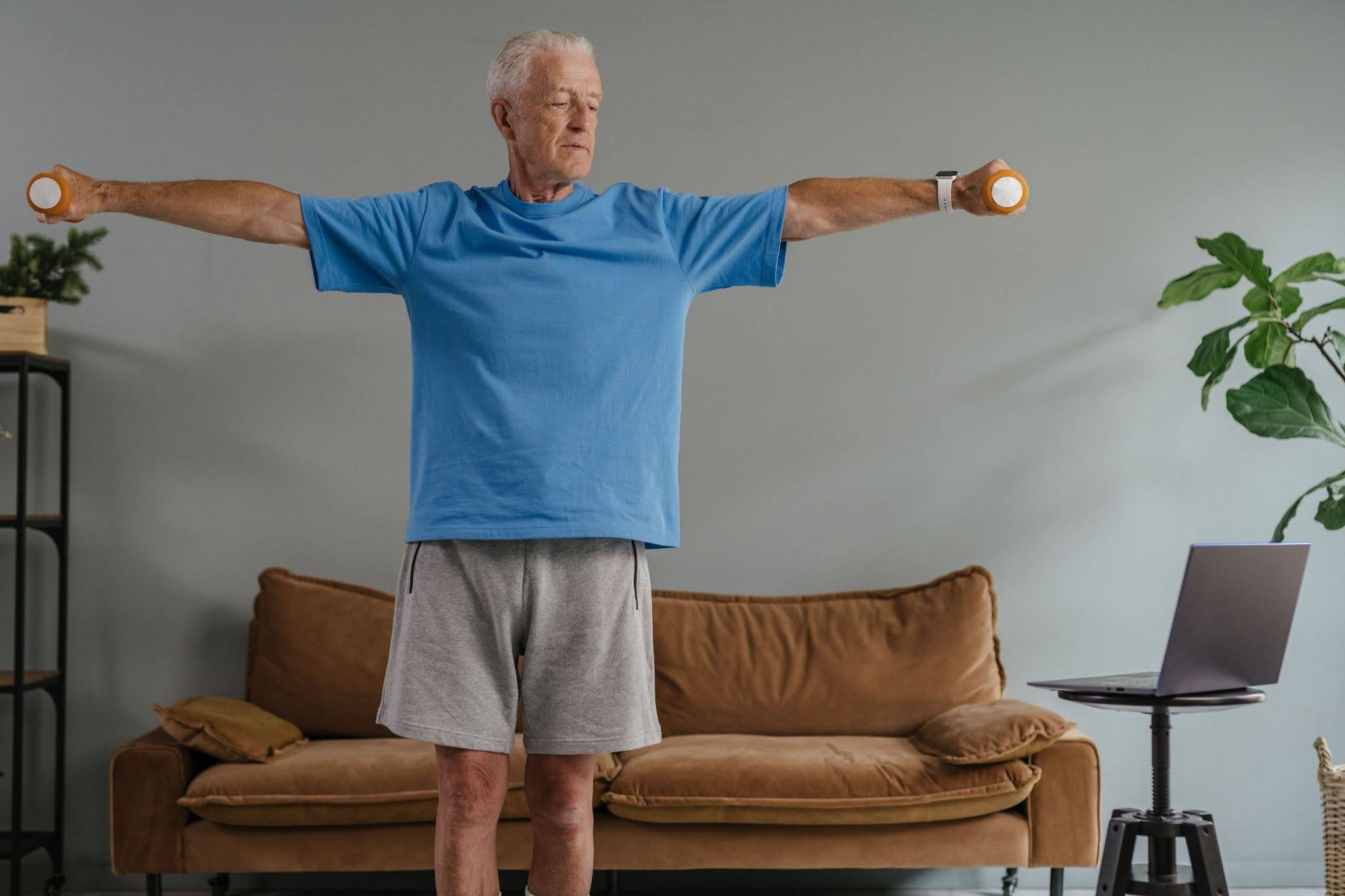
Functional exercises can be particularly useful for active ageing because they replicate movements people use in everyday life. Rather than focusing solely on individual muscles, they can help build the strength, balance, and coordination needed for activities such as getting out of a chair, carrying shopping, or climbing stairs.
Squats can help develop the leg and hip strength needed for everyday movements such as sitting down and standing up from a chair. They can be adapted to suit different abilities, from bodyweight squats to holding a dumbbell or kettlebell for added resistance.
Farmer's carries involve walking while holding weights, such as dumbbells or kettlebells, at your sides. They can work grip and full-body strength while also challenging posture and stability, making them a useful way to replicate the action of carrying shopping or other objects.
Step-ups are another straightforward functional movement, using a low platform or step to mimic climbing stairs or stepping onto a kerb. They can be progressed gradually by increasing the height of the step or adding resistance where appropriate.
Lateral lunges introduce movement from side to side, helping to work the legs while challenging balance and control. This can reflect some of the sideways movements involved in navigating everyday spaces, rather than only training movement in a straight line.
Other functional movements, including controlled pushing, pulling, and reaching exercises, can also help replicate tasks people perform at home and when out and about.
What are the barriers to physical activity later in life?
There are plenty of reasons why people may become less active as they get older, and it's rarely as simple as a lack of motivation. Health conditions, reduced mobility, previous injuries, and concerns about pain or fatigue can all make exercise feel more difficult. For some people, a fear of falling or getting injured can also make them more cautious about trying unfamiliar activities.
Confidence can be a huge barrier, particularly for people who haven't exercised regularly. Walking into a gym filled with unfamiliar equipment can feel daunting if you don't know how the machines work or which exercises are suitable for you. A lack of guidance and support can make this even more difficult, while an environment that feels geared towards younger or more experienced exercisers may not feel particularly welcoming.
For some, exercising at home can provide a more comfortable starting point. Home gym equipment can allow people to build activity into their routine without having to travel to a gym or exercise in an unfamiliar environment.
What can gyms do to support an ageing population?
Older adults can have different expectations from younger gym-goers, particularly around accessibility, confidence, social connection, and the types of exercise on offer. For fitness businesses, this represents an opportunity to reach an untapped customer base. Some people approaching or in retirement may have greater flexibility in their schedules, allowing them to exercise during traditionally quieter daytime periods. Those with disposable income may also be willing to invest in memberships, classes, personal training, or equipment that supports their health and fitness goals.
For gyms and fitness facilities, active ageing represents an opportunity to think differently about who their spaces are designed for. An age-friendly gym doesn't necessarily need a complete redesign. Small changes to equipment, the environment, and the way people are supported can make a meaningful difference.
Choose equipment that's easy to use
Equipment doesn't need to be complicated to be effective. Offering a mix of straightforward, adjustable options can help members feel more confident using the gym and allow them to work at a level that suits them.
Selectorised equipment: Selectorised machines can be a useful option for strength training, with resistance adjusted using a pin or lever and seats and handles that can be adapted to the individual.
Functional trainers: Functional trainers offer another flexible option. Adjustable cable systems allow users to work through different movement patterns and change the resistance to suit their ability.
Recumbent bikes: For cardio, recumbent bikes can provide a more supported alternative to upright cardio equipment, with a seated position and easy-access designs that can suit a wide range of users.
Free weights: Free weights such as dumbbells and kettlebells give members plenty of scope to build strength at their own pace. The key is offering a range of weights so people can choose an appropriate level of resistance as their strength develops.
Make support part of the experience
Equipment is only part of creating an age-friendly gym. Having trained, approachable staff can make a significant difference to how confident people feel when they first start exercising. Staff should be able to explain how equipment works, demonstrate exercises clearly, and help members understand how to adjust machines or choose an appropriate starting resistance.
Inductions can also go beyond a quick tour of the equipment. Offering guidance on how to use different areas of the gym, introducing members to suitable exercises, and checking in as they progress can help people feel more comfortable using the space independently. For someone who is new to strength training, knowing that there is someone available to ask can make the gym feel much less intimidating.
Staff training can make a significant difference to how inclusive a facility feels. Employees should understand how to communicate with customers of different ages and experience levels, explain equipment clearly, and provide appropriate exercise modifications.
The environment itself can also be adapted to suit different audiences. Clear signage, good lighting, uncluttered walkways, and enough space around equipment can make a gym easier to navigate. Providing a mixture of quieter areas and busier training zones can also give members more choice over where and how they exercise.
Build a sense of community
Getting people through the door is only part of the challenge. Creating an environment that encourages people to keep coming back can help turn exercise into a regular part of their routine. Group sessions can provide structure and social interaction, while smaller classes or activities aimed at different abilities can give members an opportunity to exercise alongside people with similar goals and experience.
For an ageing population, that social element can be particularly valuable. Gyms can create opportunities for members to get to know each other through group exercise, informal activities, or social events, helping the facility feel like a place to spend time as well as somewhere to work out.
This is also where staff can play an important role. Remembering members, checking in with them, and creating a friendly atmosphere can help people feel that they belong. For gym operators, building this sense of community can keep members coming back while making the facility more appealing to a wider range of ages and abilities.
Get expert help with gym design
Planning a gym for a broad range of users involves more than working out how many machines will fit in the room. Equipment selection, available space, flooring, mirrors, lighting, budget, and the way people will move through the facility all need to work together.
GymEquipment.co.uk's gym design service can help facilities plan these elements from the outset. With more than 20 years of experience, the team creates 3D gym designs for settings including commercial gyms, PT studios, residential gyms, and luxury fitness spaces.
The service can help you work through the practical details of a project, from choosing equipment and planning the layout to considering flooring, mirrors, lighting, budget, and timescales. Consultations are available by email, phone, video or in person, giving gym operators a chance to discuss their space and requirements before committing to equipment.