


How to Create a Home Gym
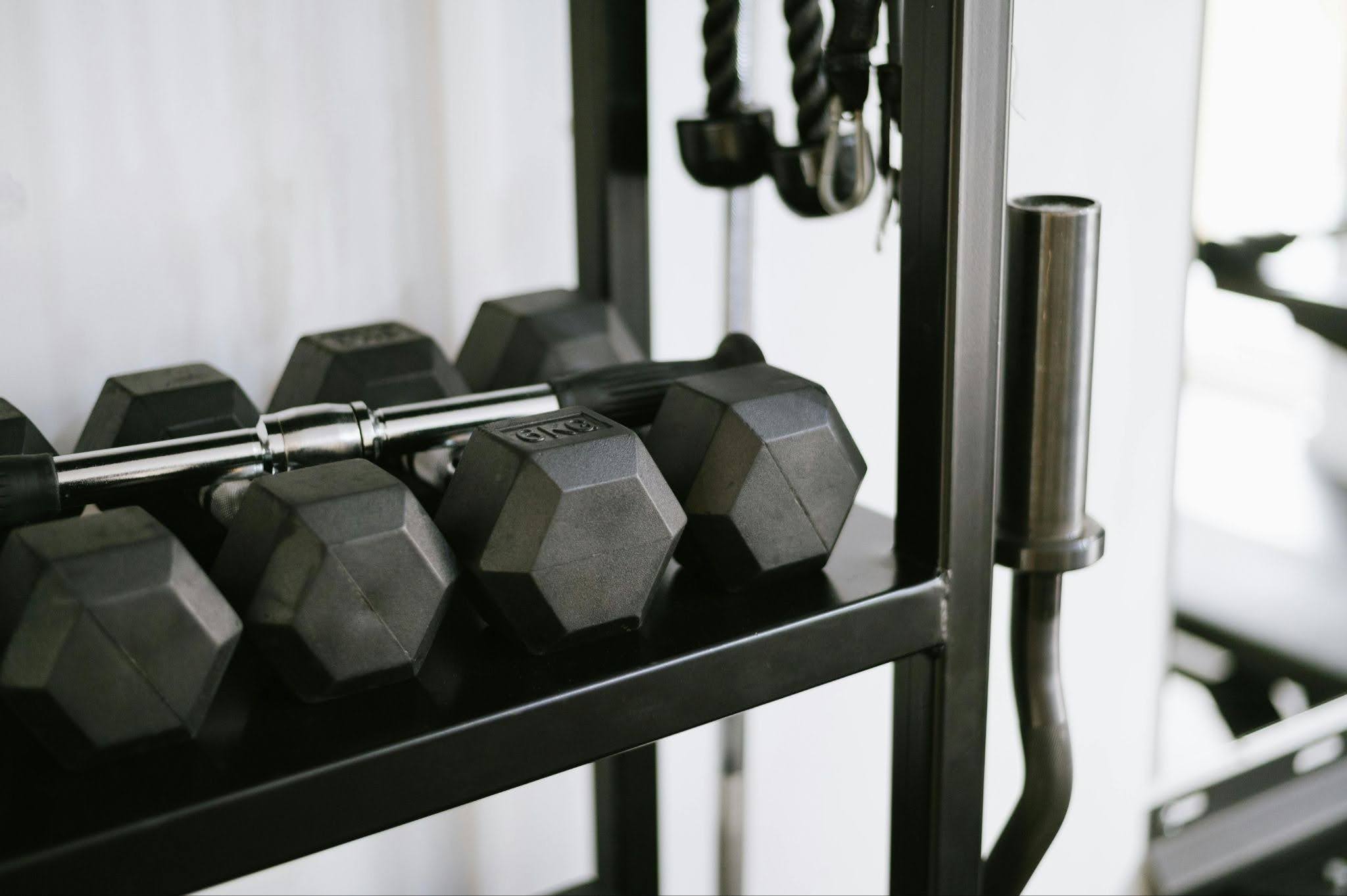
If you’ve ever wondered how to create a home gym that truly works for you, this guide is here to help. Designing a home gym is one of the best ways to invest in your health and daily routine, giving you a space that fits your goals, style, and schedule. No more commute, queues, or crowded studios — you can create a gym that's open 24/7 and tailored entirely to you.
As experts in all things gym equipment and design, we’ll show you how to plan, design, and equip your gym so it’s both functional and motivating.
Find your space
The first step in designing your home gym is deciding where you'll put it. Any space can work well, as long as you have the room for any equipment you want. A spare bedroom is a great space for a home gym, as it will be relatively easy to adapt to your needs. Another good option would be to convert your garage into a gym, although this might take a bit more work depending on whether your garage is insulated or not, and the type of subfloor it has.
Even if you don't have space inside, that doesn't mean your dreams of having a home gym can't come true. A garden home gym could be a great solution. Having a purpose-built shed in your garden means you can keep your workout space separate from the rest of your home for focused, uninterrupted training.
Choose your equipment
It's a good idea to start thinking about your equipment early on, as this will help shape your gym layout and design. Choose pieces based on your fitness goals: for example, strength training, cardio, or flexibility and wellness.
Consider how often you’ll train, how much space you have, and whether multiple people will use your gym. If you’re working with a smaller area, multifunctional or adjustable equipment can help you get the most out of your setup.
Remember, you can always add to your equipment later on as well. Start training regularly with your basic setup. Once it becomes routine, you’ll know if any extra equipment is worth adding.
Strength
If your goal is to build or maintain muscle, investing in strength equipment will give you plenty of versatility:
Barbell and weight plates: Crucial for compound lifts like squats, deadlifts, bench presses, and overhead presses. An Olympic barbell (20kg standard) and bumper plates are ideal.
Squat rack: A must-have for safe, heavy lifting. Choose a rack with adjustable safety bars, a pull-up station, and dip attachments for maximum functionality.
Adjustable bench: Allows for incline, flat, and decline positions — perfect for chest, shoulder, and tricep work. A heavy-duty bench provides stability and confidence during barbell exercises.
Dumbbells: Perfect for unilateral strength work, curls, rows, and presses. Our guide on choosing the right dumbbells can help you make the right decision.
Kettlebells: Great for explosive, functional movements such as swings, goblet squats, and Turkish get-ups. They’re compact, dynamic, and excellent for conditioning.
Cardio
If you’re looking to improve your endurance or complement your strength training, cardio equipment is a must-have. Depending on your preferences, some machines offer low-impact movement for joint-friendly workouts, while others are great for pushing your limits:
Treadmill: A classic choice for walking, jogging, or sprint intervals.
Rowing machine: Delivers a full-body, low-impact workout that improves cardiovascular health and muscular endurance. Works well as a warm-up before lifting or as a finisher after a workout.
Stationary bike: Excellent for low-impact, high-efficiency training. It's also a compact choice that’s easy to move or tuck away when not in use.
Cross trainer: Provides a smooth, low-impact movement that targets both upper and lower body muscles. Best for gentle cardio, active recovery, or endurance work alongside strength training.
Stair climber: A compact, cost-effective option that focuses on glutes and legs. Good for short bursts of leg-focused cardio or warming up before squats/deadlifts. Still undecided? Read our guide on why you should choose a step machine for your home gym.
Flexibility
No gym setup is complete without tools to support mobility, recovery, and flexibility. These items are small but powerful additions that help reduce injury risk and improve performance:
Gym mat: Provides comfort and cushioning during floor-based exercises or stretches.
Reformer machine: If space and budget allow, a compact reformer can transform your Pilates workouts. You can find out more in our complete guide to reformer Pilates.
Resistance bands: Versatile and portable — perfect for adding resistance to bodyweight exercises or activating smaller muscle groups.
Exercise ball: Excellent for improving core strength, posture, and balance
Foam roller: Doubles as a mobility tool and Pilates prop for stability work.
All-rounder
If space is limited or you want a minimalist setup that still delivers a full-body workout, focus on versatile, compact equipment. We'd suggest five key pieces that cover all the bases:
Adjustable dumbbells
Adjustable bench
Resistance bands
Kettlebells
Exercise mat
Storage
Storage is just as important as the equipment itself. Proper storage keeps your gym equipment safe and ensures your gym doesn't feel cluttered. Consider vertical storage options like wall-mounted racks for weights to maximise floor space.
For foldable or adjustable equipment, ensure you have dedicated storage zones so machines can be stowed away easily when not in use. Hooks, racks, and trays for accessories like skipping ropes or resistance bands help keep everything tidy and accessible. With clever storage, even a small home gym can feel spacious, organised, and ready for action.
Define your layout
Now it's time for the fun part: you're ready to start actually designing your home gym. The main thing you'll need to consider here is if your equipment will fit, and where. Start by measuring the length, width, and ceiling height of your room. Remember to note down the location of any plugs too, as this can determine where you put cardio machines.
Take a look at the product page for each piece of equipment and compare the footprint with your available space. You'll want to leave at least 60–90cm of clearance between each piece of equipment. Remember, if you're opting for folding furniture, you'll want to account for the space it will take up when fully open.
To check that the space is comfortable and usable, it can help to map out your layout on the floor using masking tape or chalk to outline where each piece will fit. With our gym design service, we can mock up a 2D or 3D concept of your space, so you can see how it will look. Our experts can also offer advice on the perfect layout or equipment options for your space.
Add the finishing touches
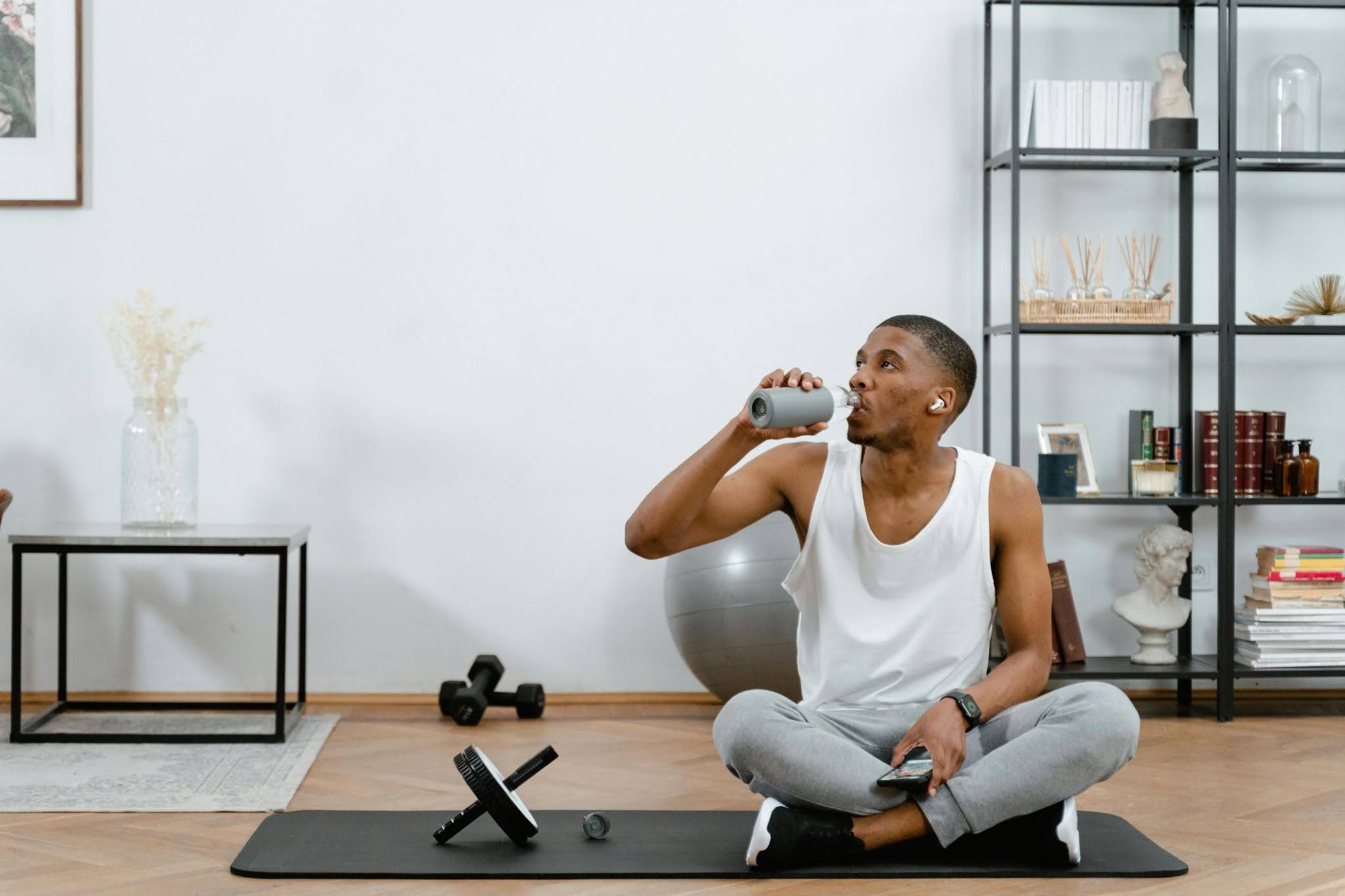
Once you've nailed down the main aspects of your design, there are a few finishing touches you might want to consider. Features like flooring, lighting, and mirrors can make a huge difference to how your home gym feels, functions, and keeps you motivated. For even more inspiration, take a look at our home gym decor ideas.
Flooring
When it comes to flooring for a home gym, the right surface will protect your equipment as well as your joints. Rubber floor tiles or rolls are a popular option, especially if you'll be doing a lot of strength training or have heavy equipment. Rubber flooring is shock-absorbent and slip-resistant, and can reduce noise and vibration, making it a great choice if you're designing a home gym in a spare room or your garage.
Vinyl gym flooring is the perfect option for home fitness studios if you want to prioritise style without sacrificing function. Although not as shock-absorbent as rubber flooring, it is easy to clean and is a great choice for gyms with lighter setups, like those with cardio machines or Pilates equipment. Vinyl also comes in a range of styles, including wood-effect finishes, to ensure your home gym looks the part.
You might also opt to install a gym flooring underlay, which can increase the shock absorption of your floor, helping to reduce noise and vibration and protecting your subfloor from damage.
Lighting
Though often overlooked, gym lighting is vital for any fitness space. Having proper lighting in your home gym not only helps you see what you're doing, which is vital for safe use of machines and weights, but it can also help set the overall tone and mood of your space. Opt for bright, cool white lights for an energising space perfect for cardio or strength training. To create a relaxing atmosphere for yoga or Pilates, opt for warmer, softer lighting.
Alongside brightness and warmth, you'll also want to consider what type of lighting fixtures you want. If you're dealing with low ceilings or want to achieve a flush look, opt for recessed LEDs. You could also consider spotlights to create dedicated task lighting for machines or certain workout zones. Finally, accent or LED strip lighting can add ambience and can look particularly effective around mirrors or along the wall.
Mirrors
Mirrors can have multiple benefits in a home gym. One of the main benefits is that they can help open up the space and reflect light, which is an incredibly smart design choice in small home gyms. They can also be used to spot your form during strength exercises, helping to reduce the risk of injury. For this reason, it's a good idea to place them anywhere that will require form checks, such as in front of your bench or squat area, or by your Pilates or yoga area.
Audio & TV
Adding speakers to your home gym can be a great way to keep you motivated during your workouts, whether that's by listening to a high-energy playlist, some wind-down tunes, or your latest audiobook. Another option is adding a TV to your home gym, which not only keeps your mind occupied during cardio workouts but can also provide the option of following guided fitness videos and classes.
Home gym ideas
If you're looking for inspiration to kick-start your design, here are some home gym ideas to help you make the most of your space.
Linear layout
Line up your equipment along one wall, leaving the centre of the room free for stretching, bodyweight exercises, or functional training. Place heavier equipment such as a power rack or adjustable bench along the wall and use vertical storage for dumbbells, kettlebells, and resistance bands. Cardio machines like treadmills, bikes, or rowers can go at one end for easy access.
Zoned layout
Divide your room into zones for strength, cardio, and mobility. Strength equipment like racks, benches, and weights go in one corner. Cardio machines such as treadmills, bikes, or ellipticals occupy another section, ideally near a window or TV. A free area with a mat, foam roller, and resistance bands becomes your stretching and mobility zone.
Compact layout
For smaller spaces, use foldable or compact equipment. Place a foldable treadmill or wall-mounted pull-up bar against one wall. Use multi-functional equipment like adjustable benches, dumbbells, and kettlebells that can perform multiple exercises. Keep the floor mostly open for bodyweight or floor exercises.
Multifunctional home office gym
If you’re combining a home office with your gym, consider a standing desk or adjustable desk that allows quick transitions between work and movement. Under-desk equipment, such as a mini stepper or elliptical, can also help you stay active while working.
A foldable treadmill or compact rowing machine can be tucked away when not in use, while adjustable dumbbells and kettlebells let you perform a wide range of strength exercises without taking up much space. A foldable yoga mat doubles for stretching, floor exercises, or mobility work, too, making it a great addition to a home office gym.
How much does a home gym cost?
How much a home gym costs depends on the size, equipment quality, and amount of equipment you choose.
A basic setup, complete with 1 piece of cardio (excluding a treadmill), 1 piece of strength equipment (rack or cable machine), a set of dumbbells and 25mm flooring can cost anywhere from around £5k+.
A mid-range setup with 1 or 2 pieces of cardio, plus a strength machine like a functional trainer and with flooring, will likely cost around £8k - £25k.
A luxury home gym is likely to cost from £25k to over £100k.
Find the right gym design company
The idea of creating a home gym alone can seem daunting. It's a good idea to work with a specialist company that can guide you from design to installation.
When searching for the gym design company you want to work with, make sure you clarify the following:
Scope of services: Do they only supply equipment, or do they also do flooring, lighting, mirrors, structural work, ventilation, etc?
Layout and design: Ask for a floor plan and, if possible, a 3D visualisation of how your space will look and function.
Cost breakdown: What’s included in their quote?
Timeline: How long will installation take? When will the equipment be delivered, and what are the lead times for extras like flooring or custom mirrors?
Warranty: Have they included an installation warranty, equipment warranty, or maintenance support?
Reviews and portfolio: Ask for examples of similar home-gym installations they’ve done.
At GymEquipment.co.uk, we can help design your dream home gym from scratch. Not only do we sell a wide range of gym equipment from top brands, but we also work with a range of trusted suppliers to deliver mirrors, lighting, and even garden rooms for garden gyms. There's no need to source separate contractors for each job — we can do it all for you.
We have over 20 years of experience designing residential and commercial gyms and can help you choose the right equipment based on your fitness goals. Just get in touch to find out what we can do for you.
Now that you know how to create a home gym from the ground up, it’s time to bring your vision to life. With thoughtful design, smart equipment choices, and a layout that suits your space, you can build a setup that inspires you to train consistently and comfortably. For more tips and gym design advice, take a look at our Knowledge Hub.